



Namibia has long been known for enormous landscapes, wildlife and self-drive travel. What is changing is how many people are discovering it. Official visitor statistics show several years of strong recovery, while newer aviation data suggests that international demand is still gaining momentum.
That does not mean Namibia has suddenly become a mass-tourism destination. The more interesting story is that a country built around space, road trips and nature is becoming easier to reach and more visible internationally, while still retaining much of the independence that makes travelling here distinctive.
The numbers show a strong tourism recovery
Namibia recorded 1,257,093 international tourist arrivals in 2024, according to the official Tourist Statistical Report 2024. That was a 45.5% increase over 2023, following growth of 87.4% between 2022 and 2023. By 2024, international tourist arrivals had recovered to about 78.8% of the 2019 pre-pandemic level.
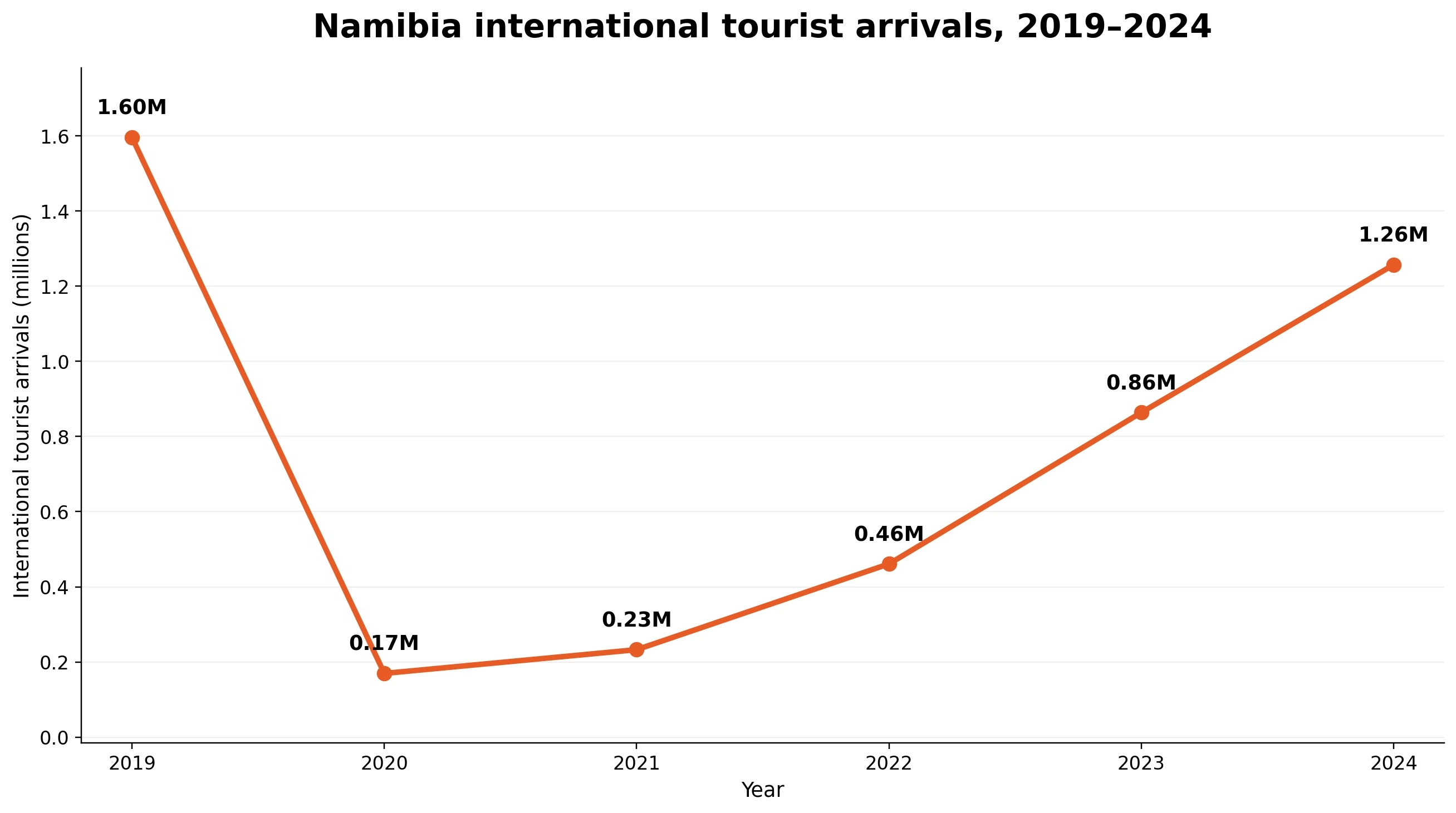
The recovery is substantial, but the comparison with 2019 is important. Namibia had not yet surpassed its pre-pandemic visitor peak in 2024, so the data is best read as a strong recovery with continuing momentum rather than evidence that the country has already reached an all-time high.
More recent indicators point in the same direction. The World Bank Tourism Watch for June 2026 reported that aviation passenger arrivals to Namibia were 22% higher year over year in the first quarter of 2026. In the Eastern and Southern African economies covered by that analysis, Namibia was among the stronger performers.
Why more travellers are paying attention to Namibia
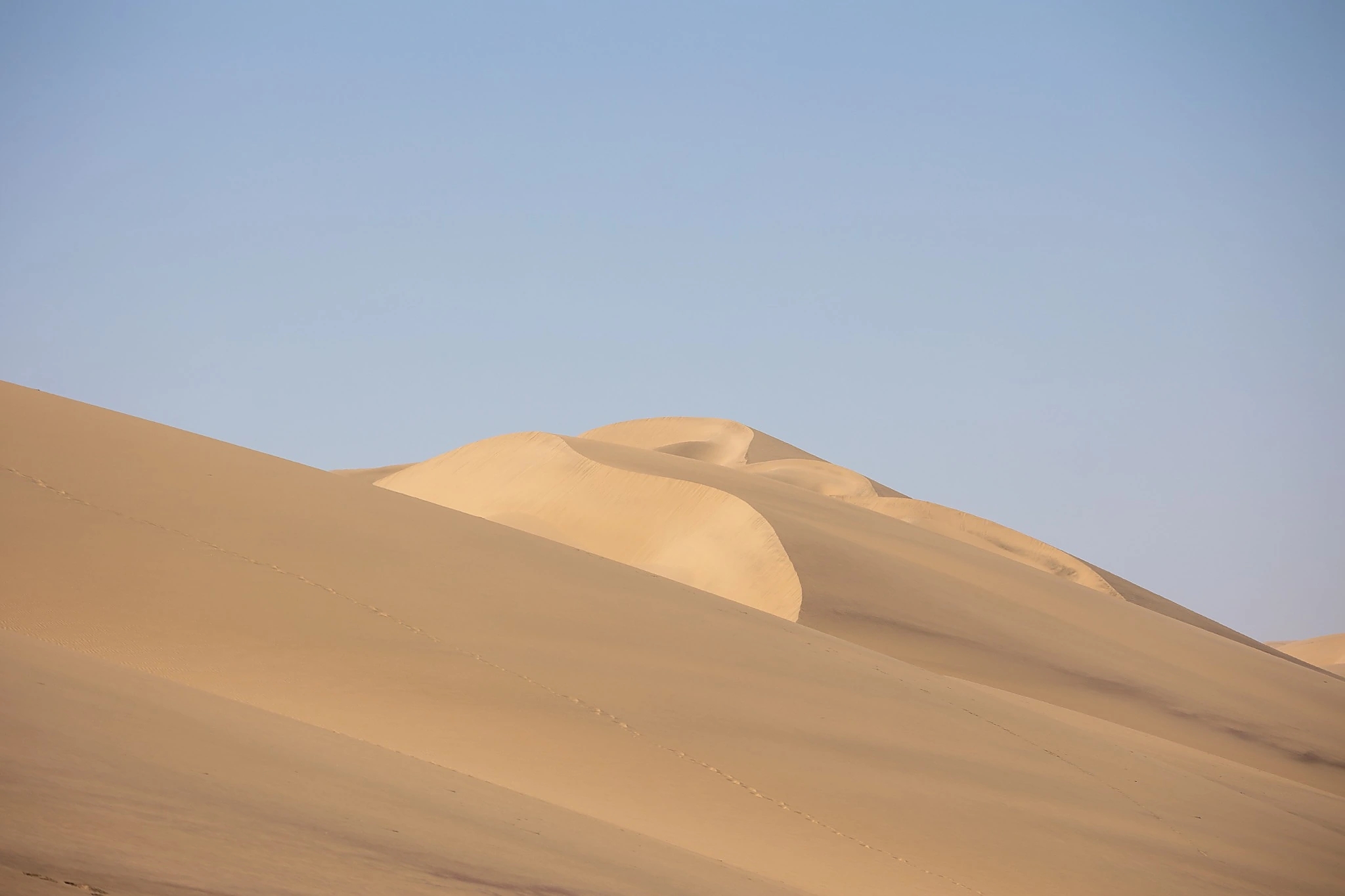
The statistics make sense when you consider what Namibia can combine in one trip. Sossusvlei and Deadvlei offer some of the world’s most recognizable desert scenery. Etosha is built around wildlife viewing. Swakopmund and the Atlantic coast add a completely different environment, while places such as Spitzkoppe, Damaraland and Sandwich Harbour can turn the drive between destinations into part of the experience itself.
The country is also unusually well suited to longer, independent trips. The 2024 tourism report found that the average tourist stay was 14 days, while 47.5% of visitors travelled for holiday and leisure. It also reported that 77.6% of tourists arrived by road, reflecting the importance of regional and self-drive travel.
International media has noticed the rebound as well. In 2024, Reuters reported on the return of sandboarding tourism in Swakopmund, noting increased cruise-ship activity at nearby Walvis Bay as one contributor to renewed visitor activity. The story is a useful example of how tourism growth is spreading beyond a single attraction or travel style.
Better international access is supporting the growth
Long-haul access matters for a destination as geographically remote as Namibia. In 2026, Edelweiss launched a new direct Zurich–Windhoek service. The Namibia Tourism Board described the route as a step toward stronger European connectivity and improved competitiveness as a long-haul destination.
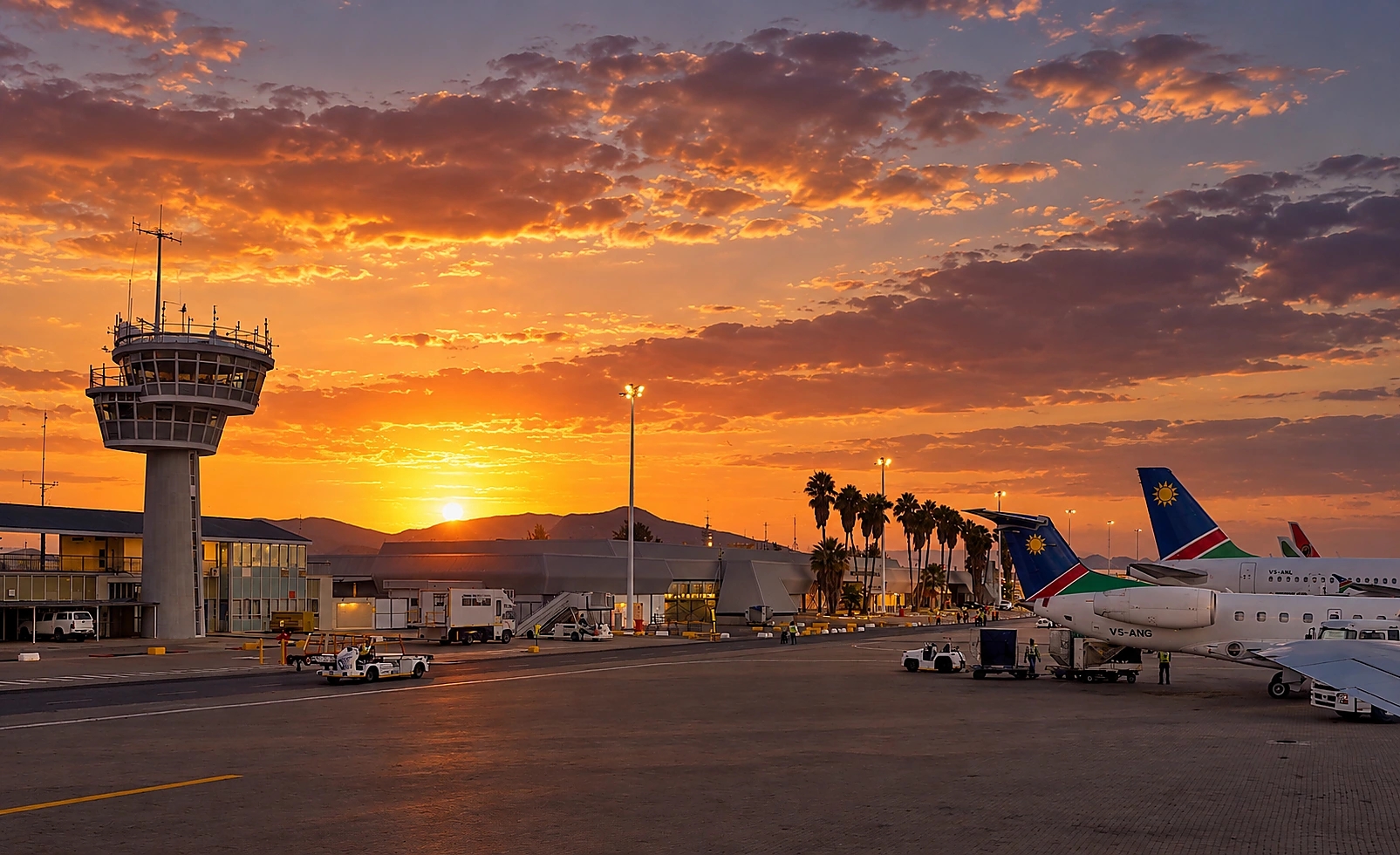
New routes do more than add seats. They make Namibia easier for tour operators to package, reduce the friction of reaching the country from major source markets and can encourage travellers who might previously have viewed Namibia as too complicated to reach. At the same time, the Namibia Tourism Board continues to publish tourism statistics and market research through its Research Center, making it possible to follow the sector with official data rather than relying only on marketing claims.
What tourism growth means when planning a Namibia trip
For travellers, stronger demand has a practical consequence: the most desirable vehicles, campsites and lodges can become harder to secure during popular travel periods. Namibia still offers an extraordinary amount of space, but the infrastructure at specific destinations is finite. Booking earlier becomes more important as visitor numbers rise.
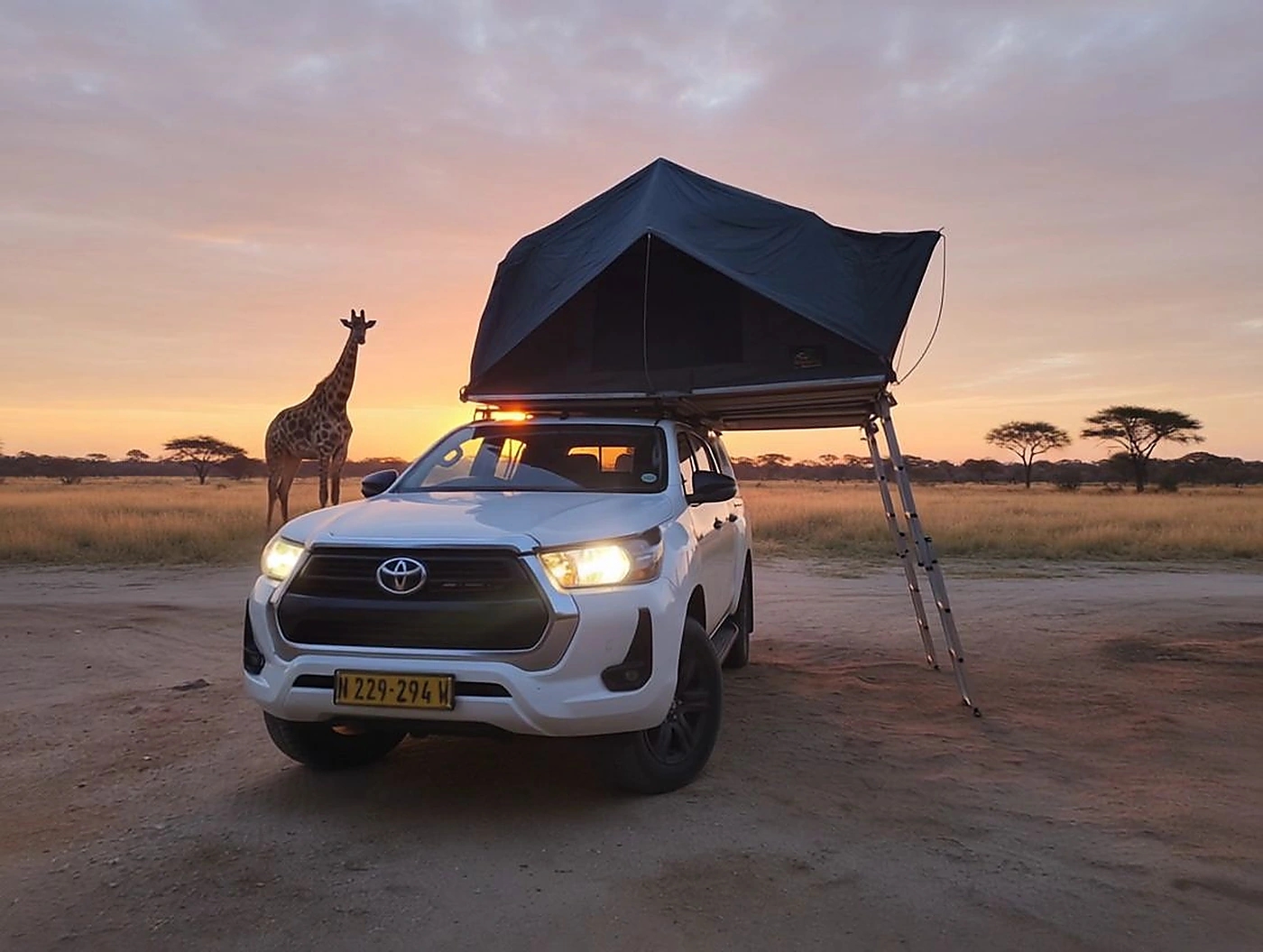
The growth also helps explain why self-drive travel remains such an important part of the Namibian experience. A vehicle gives travellers control over the pace of the trip and connects destinations that are spread across a very large country. For people who value road trips, camping and independent travel, Namibia offers a format that feels adventurous without requiring every day to be organized as a guided tour.
The strongest conclusion from the data is not that Namibia is becoming crowded. It is that more travellers are discovering a destination that was already well established but remains very different from conventional high-volume tourism markets. Visitor arrivals have recovered sharply, aviation demand is still expanding, and international connectivity is improving. Yet the appeal remains rooted in the same things: space, wildlife, landscape and the freedom to travel at your own pace.
If Namibia is on your list, that growth is a reason to plan thoughtfully rather than rush. Give the country enough time, choose a realistic route and secure the parts of the trip that have limited availability. The numbers may be rising, but the best Namibia trips still come from slowing down and letting the journey itself become part of the destination.