



Damaraland Rhino Conservation Fly-InZUMI RENTALS + TOURS · 6 DAYS

Damaraland Rhino Conservation Fly-In

Five nights across two conservancy-linked camps, with a specialist rhino-tracking opportunity. A six-day fly-in journey into desert ecology and active conservation.

Your journey

This six-day conservation-focused journey builds on the idea that a safari can be about understanding a landscape as much as seeing its wildlife. Spend three nights at a Damaraland wilderness lodge, then two at a remote rhino conservation lodge, with supplier-coordinated light-aircraft connections from and back to Windhoek. Damaraland provides time for nature drives, guided walks and a confirmed heritage or locally hosted experience. The second camp introduces the specialist rhino-monitoring and tracking context linked with Save the Rhino Trust and conservancy partners. One full-day tracking opportunity is proposed, subject to current eligibility, weather, field conditions and the trackers’ decisions. No sighting, close approach, walking distance or second attempt is guaranteed. The itinerary is adult-focused until current age and private-activity rules are provided in writing. It is a specialist request rather than an instant-book tour, requiring camp and aviation availability together. The tailored quote confirms all room, activity, conservation-fee and baggage conditions, with Windhoek buffer nights added around international flights when needed.

Tour highlights

Specialist rhino-tracking opportunity
Damaraland conservancy landscape
Five nights across two camps
Desert-adapted wildlife interpretation

Full day-by-day itinerary

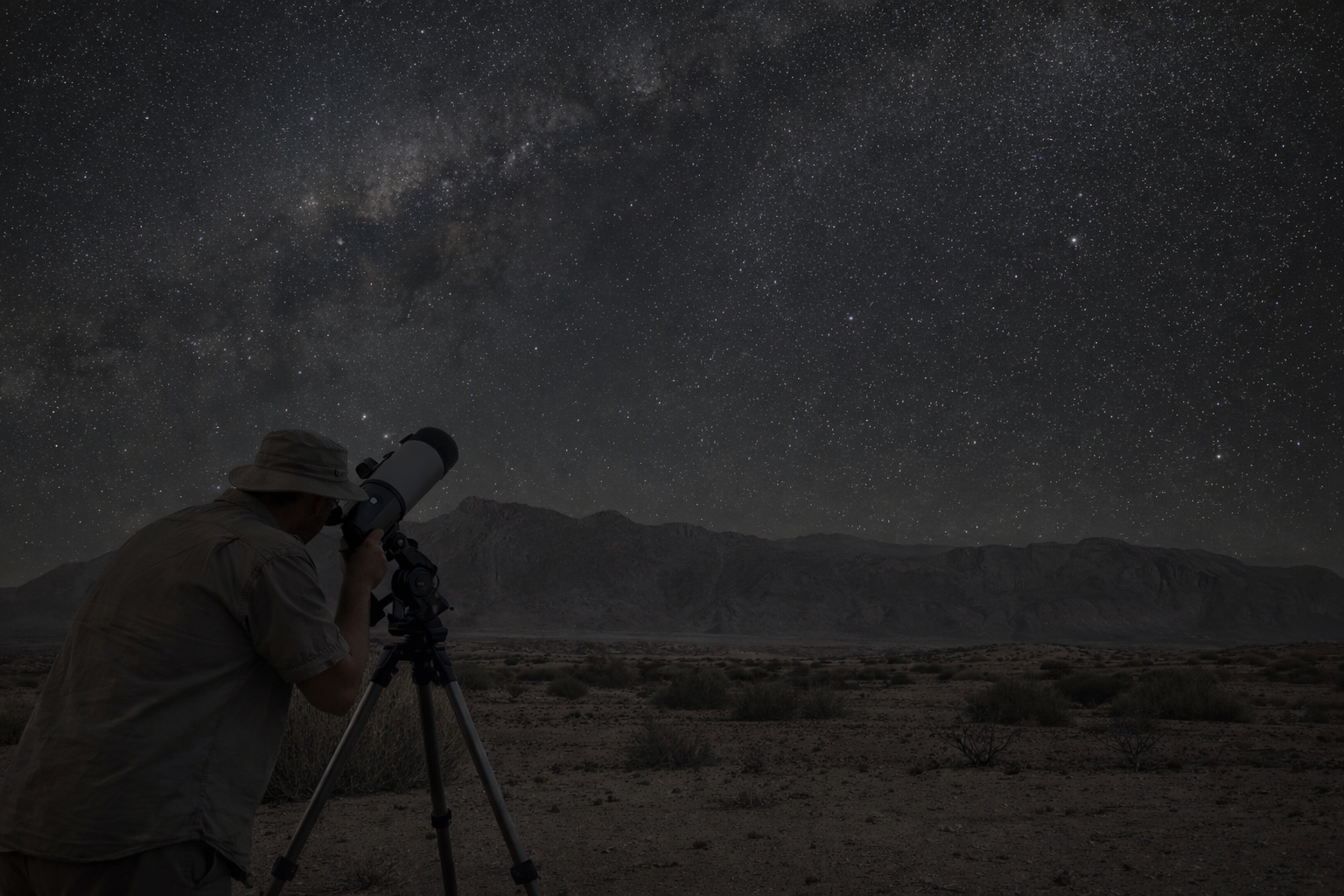
01Day 1Windhoek to Damaraland CampBegin at the confirmed Windhoek departure point for a supplier-coordinated flight into Damaraland. a Damaraland wilderness lodge is the proposed base for the first three nights, with ground transfer from the approved airstrip arranged by the supplier. The arrival afternoon remains flexible around actual aviation timing. This is a fly-in conservation journey rather than a fixed scheduled departure, and the accepted quote must confirm every flight, room and activity inclusion.Illustrative scene for day 1: Windhoek to Damaraland Camp⌄
Travel timeSupplier-coordinated light-aircraft sector and lodge transfer; exact airstrip, stop pattern and timing confirmed before booking.
Overnighta Damaraland wilderness lodge, Torra Conservancy
MealsProposed fully inclusive camp basis; arrival meals and activity depend on actual timing.
Morning

Flight check-in and remote-area briefing

Meet the confirmed aviation team and complete baggage, passenger-weight and safety formalities. wilderness Air is the proposed service arranged through wilderness, but the final operating carrier and seat or charter basis must be stated in the quote. Current published baggage guidance is a starting point, not permission for unapproved extras. An international arrival connection needs written approval or an additional Windhoek night.

View location in Google Maps ↗
Daytime

Transfer into the Torra Conservancy setting

Fly to the supplier-approved airstrip and meet the camp vehicle for the road transfer. The exact airfield and journey are confirmed by wilderness rather than assumed from a map. On arrival, learn the camp safety procedures and the planned activity rhythm. The Damaraland setting introduces conservancy tourism and desert ecology, with the first afternoon kept light enough to accommodate travel and weather changes.

View location in Google Maps ↗
Late afternoon

First landscape outing if time allows

A short introductory nature drive may be possible after settling in, depending on the flight and camp programme. It is not a guaranteed full safari session on a transfer day. Your guide will explain the area, viewing etiquette and the next two days’ options. Enjoy dinner and rest in the camp, with a gentle pace that allows the landscape to be more than a backdrop between flights.

View location in Google Maps ↗
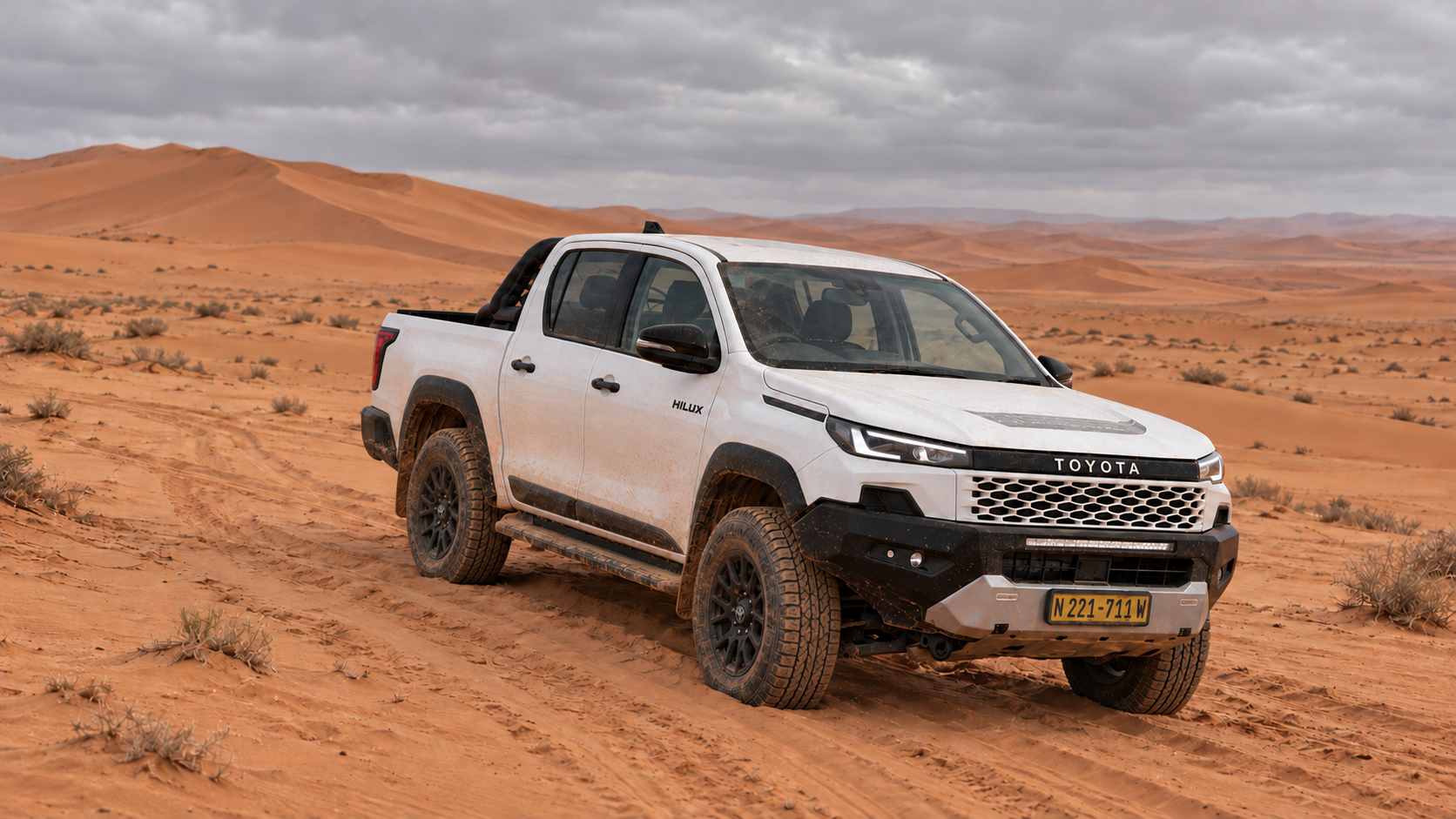
02Day 2Damaraland: nature and desert-adapted wildlifeSpend the full day with the camp guiding team, exploring the Huab landscape through the current nature-drive and walking programme. Desert-adapted elephants may be part of the experience, but sightings cannot be guaranteed. Staying three nights gives the camp time to respond to conditions rather than forcing a specific route. A quiet middle part of the day allows rest and conversation about the conservancy partnership behind the tourism model.Illustrative scene for day 2: Damaraland: nature and desert-adapted wildlife⌄
Travel timeCamp-guided local activities; allow morning/afternoon sessions as programme and conditions permit.
Overnighta Damaraland wilderness lodge, Torra Conservancy
MealsProposed fully inclusive camp basis; premium/private extras only if listed.
Morning

Read the Huab landscape with a guide

Join a nature drive through accessible river and plain habitats, learning how rainfall, vegetation and water influence wildlife movement. Elephants are a possible highlight, while geology and tracks are part of the experience even when large animals remain distant. The guide chooses the route and viewing distance. No independent off-road driving or walking near elephants is implied by this package.

View location in Google Maps ↗
Illustrative destination scene: Camp rest and conservancy context
Midday

Camp rest and conservancy context

Return to camp for a meal and rest during the warmer hours. Ask the team about the Torra Conservancy partnership and how tourism interacts with local livelihoods and conservation. We do not describe a lodge stay as a direct donation amount without a current supplier breakdown. Personal contact with communities should follow local invitation and consent, with no staged or intrusive photography.

View location in Google Maps ↗
Afternoon

A walk or further nature drive

Choose from the activity programme appropriate to the weather and the party’s eligibility. A guided walk can reveal plants and smaller wildlife, while another drive may suit those who prefer less time on foot. Walking restrictions and mobility suitability must be confirmed before sale. End with the evening landscape and dinner, leaving the longer heritage or community option for tomorrow’s full day.

View location in Google Maps ↗
03Day 3Rock art or a locally hosted conservancy experienceUse your second full day for a pre-agreed activity that adds cultural context: a Twyfelfontein day visit or a locally hosted conservancy/community experience when available and invited. The supplier must confirm the actual programme, travel time and inclusions before booking. This is not a promise that village visits are always available. The afternoon and evening remain flexible around the selected outing, with a final night at Damaraland Camp before the transfer tomorrow.Illustrative scene for day 3: Rock art or a locally hosted conservancy experience⌄
Travel timeA Twyfelfontein excursion can occupy much of the day; local alternative and actual transfer time confirmed by camp.
Overnighta Damaraland wilderness lodge, Torra Conservancy
MealsProposed fully inclusive camp basis; excursion picnic/fees only as confirmed.
Morning

Choose the confirmed day programme

Depart for the excursion actually selected in your quotation rather than assuming every listed camp activity can fit in one day. A Twyfelfontein visit needs transfer time and authorized site guiding. A community experience follows local availability and host consent. Your guide will advise what is realistic for the date, party and conditions, and the schedule can be shortened for heat or mobility needs.

View location in Google Maps ↗
Daytime

History and place with respectful interpretation

Take time to understand the chosen site or hosted experience, following the local guide and photography expectations. At rock art, stay on the visitor route and do not touch engravings. In a community setting, photographs of people require permission and participation should never feel compulsory. This day adds human context to the landscape, with any entry, guiding or community charges explicitly agreed in advance.

View location in Google Maps ↗
Afternoon and evening

Return and prepare for the rhino camp

Return to Damaraland Camp for your final evening and reconfirm tomorrow’s flight or supplier-approved transfer. The two camps have different activity emphases, so this is a chance to ask what to expect from the specialist rhino experience. Pack walking footwear and sun protection, but do not assume everyone can join tracking. Current eligibility and the field team’s decision remain essential conditions of that later activity.

View location in Google Maps ↗
04Day 4Damaraland Camp to Desert Rhino CampMove to a remote rhino conservation lodge for two nights in the Palmwag Concession. The supplier coordinates the light-aircraft connection and ground transfer, or proposes another approved arrangement if operationally preferable. The first afternoon is for orientation and a manageable nature activity when timing permits. The specialist tracking experience is planned for the next full day, with no promise of a sighting or a fixed walking distance.Illustrative scene for day 4: Damaraland Camp to Desert Rhino Camp⌄
Travel timeSupplier-coordinated inter-camp flight and transfers; exact routing and time confirmed.
Overnighta remote rhino conservation lodge, Palmwag Concession
MealsProposed fully inclusive camp basis; transfer-day meals confirmed by supplier.
Morning

Leave with the confirmed transfer plan

Enjoy breakfast and depart at the time set by the supplier’s aviation or transfer team. A final Damaraland activity is possible only if it fits the confirmed connection. This package uses coordinated transfers rather than independent self-driving in the concession. The exact transport basis, airstrip and baggage allowance should be clear in the final documents, including any shared flight stops or operational changes.

View location in Google Maps ↗
Daytime

Arrive at Desert Rhino Camp

Meet the camp team and transfer to a remote rhino conservation lodge. The briefing should explain the relationship with Save the Rhino Trust and local conservancies, along with unfenced-camp safety and the next day’s field plan. The camp’s name describes its conservation focus, not a guaranteed animal encounter. Settle into the specific room or tent category confirmed in your quotation.

View location in Google Maps ↗
Afternoon

Tracking briefing and a gentle introduction

Discuss walking fitness, footwear, current eligibility and the trackers’ field instructions before the specialist day. A short nature drive or a quiet camp afternoon may be appropriate after the transfer. Precise wildlife locations and monitoring information should not be shared publicly or geotagged. The guide will explain safe photography and viewing practice, and the field team can change or cancel tracking when conditions require it.

View location in Google Maps ↗
05Day 5Rhino conservation and the tracking opportunityJoin the specialist team for the planned rhino-tracking opportunity if you meet current eligibility requirements and field conditions permit it. Vehicle travel and walking vary with the trackers’ assessment, so there is no promised distance, duration or sighting. The experience is about understanding active conservation in a demanding landscape. Guests who cannot join need a pre-agreed alternative; an unaccompanied child or companion cannot simply be left without a confirmed care arrangement.Illustrative scene for day 5: Rhino conservation and the tracking opportunity⌄
Travel timeSpecialist field outing, potentially several hours with variable vehicle and walking sections; timing controlled by trackers.
Overnighta remote rhino conservation lodge, Palmwag Concession
MealsProposed fully inclusive camp basis; field picnic and drinks as contracted.
Early morning

Listen to the field team

Meet the guide and tracker team for the current plan and final safety briefing. Tracking is an active field activity, and the team decides whether conditions are suitable and how the day will proceed. Tell the guide about fatigue or mobility concerns before leaving camp. Current minimum age, fitness and alternative-activity conditions must already be confirmed in writing rather than assumed from older online brochures.

View location in Google Maps ↗
During the outing

Follow tracks with care and patience

Travel and walk as directed by the specialist team, paying attention to terrain, sun and the guide’s instructions. The purpose is to learn how monitoring and conservation work in the rhinos’ habitat. If a rhino is located, the team controls distance and viewing time; a close approach is never a guest entitlement. Do not publish precise locations or use geotagged images that could expose sensitive wildlife information.

View location in Google Maps ↗
Afternoon

Reflect and enjoy the wider landscape

Return to camp when the field team ends the outing. An afternoon nature activity may be offered if the schedule, conditions and energy allow, but the outline does not promise a second tracking attempt. Spend time learning about the broader concession landscape and the conservation partnership. Even without a sighting, the field interpretation can be meaningful. Confirm tomorrow’s departure and allow yourself a relaxed final evening.

View location in Google Maps ↗
06Day 6Desert Rhino Camp to WindhoekEnjoy breakfast before the supplier-coordinated departure flight and ground transfers back to Windhoek. The flight’s timing and stop pattern are operational matters, so a final tracking outing is not promised on departure day. The itinerary ends in Windhoek with no overnight included tonight. Add a city night whenever the international schedule needs a safer buffer, and make the weather-delay responsibilities clear before confirming the trip.Illustrative scene for day 6: Desert Rhino Camp to Windhoek⌄
Travel timeSupplier-coordinated light-aircraft connection and ground transfers; exact schedule confirmed.
OvernightNo overnight included
MealsProposed breakfast included; subsequent meals excluded unless listed.
Morning

A calm camp departure

Pack within the confirmed luggage allowance and leave camp at the transfer time set by the team. The morning is kept for breakfast and departure preparation rather than another unconfirmed field outing. Check that camera equipment, travel documents and essential medication are accessible. The camp and aviation coordinator should have the actual onward flight details so the schedule can be assessed properly before travel.

View location in Google Maps ↗
Daytime

Return flight to Windhoek

Fly back to Windhoek on the confirmed carrier and routing. Shared seat services may involve intermediate airstrip stops, and weather can alter the schedule. The quotation must distinguish this from an exclusive private charter. Passenger weights and baggage are operational limits, not optional preferences. If you need extra camera equipment or a different aircraft, arrange it before confirmation and include the cost in the proposal.

View location in Google Maps ↗
On arrival

Continue with a proper buffer

Meet the booked transfer and continue to the agreed Windhoek endpoint, extra hotel night or a safely timed airport connection. The base tour does not include a city overnight tonight. Remote safari flights should not be sold as risk-free connections to independent nonrefundable international services. An additional night can provide a more comfortable finish and should be included whenever timing or the operator’s advice makes it necessary.

View location in Google Maps ↗

Routenkarte

Windhoek → Torra Conservancy → Palmwag → Windhoek

Planned in your package

✓5 nights at the proposed properties, on the meal basis stated in the quote
✓Transport arrangement described for this itinerary, once contracted
✓Activities explicitly selected as included in the written quote
✓Pre-departure route or transfer briefing and supplier vouchers
✓Park and conservation charges specifically listed in the quote
✓Zumi itinerary planning and local coordination

Not included unless quoted

−International and regional flights unless individually itemized
−Visas, passport costs and personal travel insurance
−Meals and drinks outside the agreed meal basis
−Optional upgrades, private guiding and activities not itemized
−Tips, personal shopping and incidental expenses
−Weather disruption costs outside supplier cancellation terms

Make it your own

✓Add a third Desert Rhino Camp night
✓Request private guiding if available and appropriate
✓Extend to the Skeleton Coast
✓Add Windhoek arrival/departure hotel nights

Frequently asked questions

Is rhino tracking suitable for everyone?

Tracking can involve rough terrain and prolonged time outside. The camp must confirm current age, fitness and participation rules, and the guides make the operating decision.

Will we definitely see a rhino?

No. Tracking follows the conservation team's current advice and animal movements. The visit supports a conservation-focused experience rather than a guaranteed encounter.

Are the two camps connected by air?

The proposed fly-in sectors are arranged with the safari aviation team. Exact airfields, timings, passenger and baggage information and contingency arrangements must be confirmed for your dates.

Are the named properties and services confirmed?

They are proposed selections for your journey. Availability, exact room or camping category, activities and meal basis are confirmed in your written quotation before booking.

Plan this tour →